Rabies Symptoms in Dogs: What Every Pet Owner Should Know
Rabies is a dangerous disease that can affect both animals and people. It’s important for pet owners to understand what rabies is, its symptoms, and how it spreads. In this article, we’ll explain everything you need to know about rabies in simple terms, including how to recognize the signs in dogs, puppies, and humans.

What Is Rabies?
Rabies is a disease caused by a virus called lyssavirus. The virus affects mammals' brain and spinal cord, including dogs, cats, and humans. If not treated quickly, rabies is almost always deadly.
Rabies Definition
Rabies is a virus that spreads through the saliva of infected animals. This usually happens when an infected animal bites or scratches another animal or person. Knowing the definition of the rabies virus can help you understand how serious the disease is and how it can be controlled.
How Do Animals and People Get Rabies?
Rabies is caused when the rabies virus enters the body. This is often due to bites from infected animals. Sometimes, the virus can also be spread through infected saliva entering an open injury or the eyes, nose, or mouth.

Animals that commonly carry the rabies virus include:
- Dogs
- Bats
- Raccoons
- Foxes
- Skunks
Dogs can get rabies from contact with infected wild animals. Puppies are at greater risk because they are curious and have weak immune systems.
Early Signs of Rabies in Dogs
It’s very important to notice early signs of rabies in dogs. Early symptoms can help you take action quickly. Here are some signs to look out for:
Changes in Behavior
- A friendly dog might suddenly act scared or aggressive.
- A shy dog may become overly playful or excitable.

Fever
- Dogs with rabies often have a mild fever in the early stages.
Sensitivity
- Dogs may react strongly to light, sound, or touch.
- They may drool a lot or foam at the mouth.
Loss of Appetite
- Dogs may stop eating or drinking.
As the disease progresses, the symptoms of rabies in dogs become more severe. These include trouble walking, seizures, and paralysis.
Rabies Symptoms in Puppies
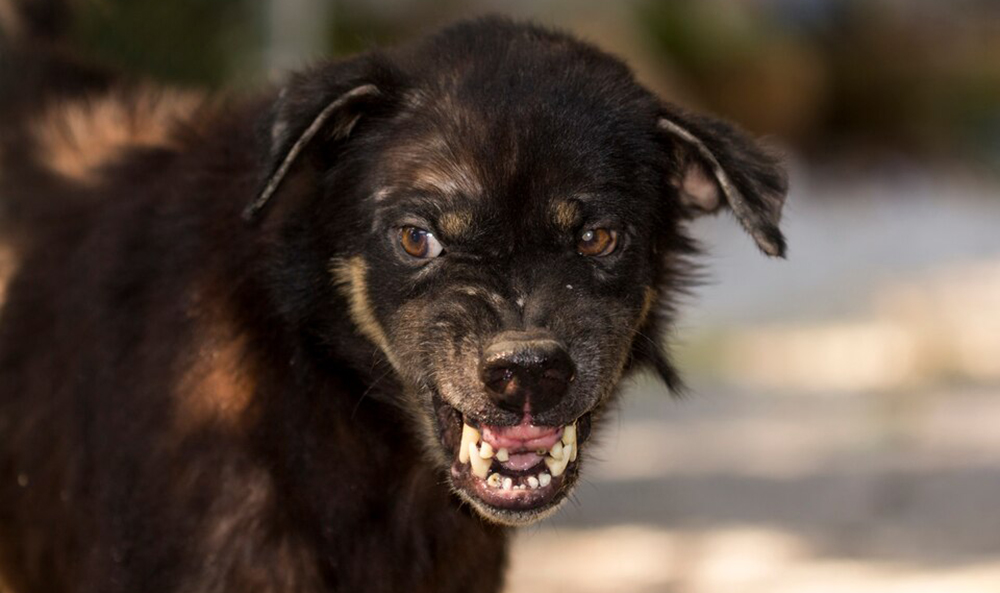
Puppies are very vulnerable to rabies because their immune systems are not fully developed. The symptoms of rabies in puppies are the same as those in adult dogs, but they progress more quickly. Early symptoms include:
- Crying or making unusual noises
- Sudden fear or aggression
- Trouble walking or standing
- If your puppy shows these signs, take them to the vet immediately.
Rabies Symptoms in Humans
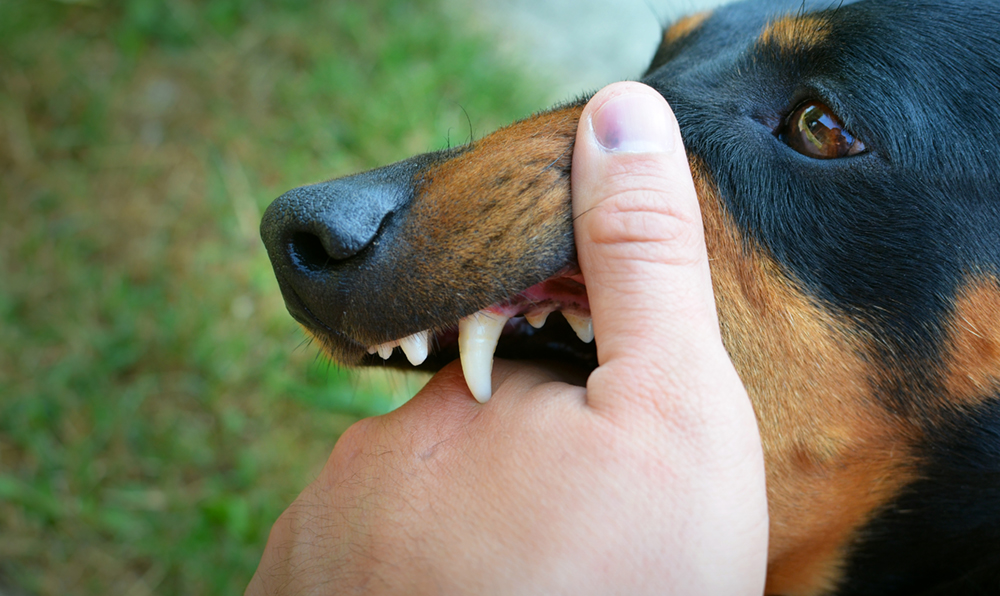
Rabies can also infect people. It can take several weeks for symptoms of rabies to appear in humans after being bitten or scratched by an infected animal. Early symptoms include:
- Fever and headache
- Feeling tired or weak
- Tingling or itching sensation at the bite site
Rabies First Symptoms
The early symptoms of rabies in humans are often flu-like. As the disease progresses, symptoms become more severe, such as:
- Feeling anxious or confused
- Seeing or hearing things that are not real (hallucinations)
- Trouble swallowing or breathing
If rabies is left untreated, its symptoms can lead to paralysis and death. If you think you have been exposed to rabies, it is important to see a doctor immediately.
Signs of a Dog With Rabies
A dog with rabies symptoms will show clear signs, especially as the disease gets worse. There are two main types of rabies in dogs:
Furious Rabies
- Dogs become very aggressive and may try to bite anything.
- They may bark excessively or become restless.
- Hyperactivity is common.

Paralytic Rabies
- Dogs become weak and may have trouble walking.
- They may drool excessively or have trouble swallowing.
- Eventually, they go into a coma and die.
Knowing these steps can help you identify a dog with rabies symptoms and protect yourself and others.
What Causes Rabies and How Can You Prevent It?
Rabies is caused by the rabies virus, which spreads through the saliva of infected animals. Preventing rabies is much easier than treating it. Here are some tips to help:
- Vaccinate your pets regularly to protect them from rabies.
- Keep your pets away from wild animals.
- Avoid touching stray or unknown animals.
- Report any animal showing symptoms of rabies to animal control.
- If you are bitten or scratched by an animal, wash the wound thoroughly and see a doctor immediately.
Vaccination is especially important for puppies because they are more at risk of catching the virus.
Common Symptoms of Rabies in Humans and Dogs
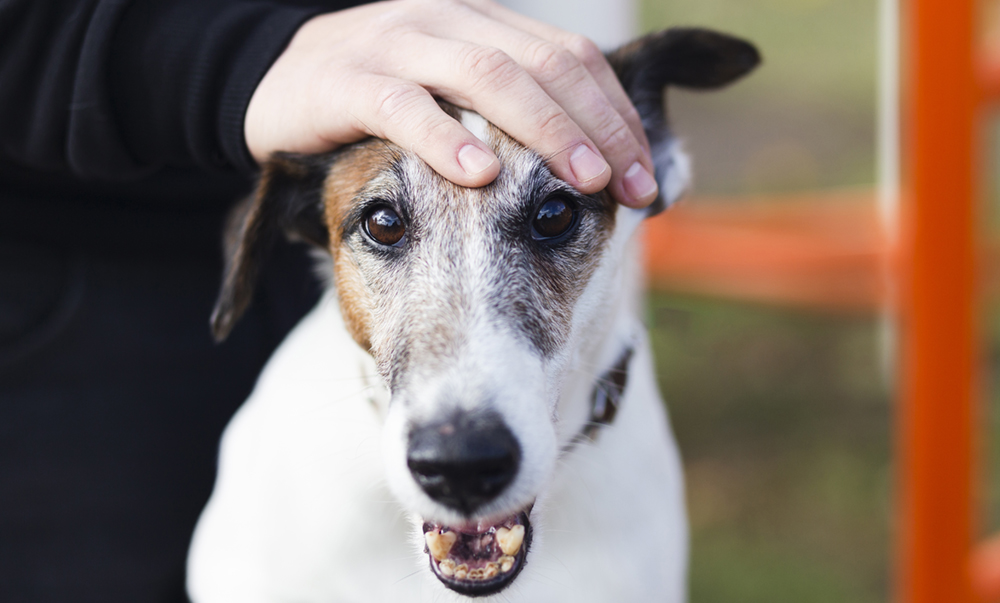
Here's an overview of the symptoms and signs of rabies:
In Dogs
- Changes in behaviour (aggression or fear)
- Sensitivity to lights and sounds
- Excessive drooling or foaming at the mouth
- Weakness, seizures, or paralysis
In Humans
- Flu-like symptoms (fever, headache, tiredness)
- Tingling or itching at the bite site
- Confusion or anxiety
- Difficulty swallowing and breathing
Recognizing these symptoms early can save lives.

Final Thoughts
Rabies is a deadly disease, but it can be prevented. Knowing what rabies is, how it spreads, and the symptoms to watch for can help protect your pets and family. Vaccinating your pets and staying away from wild animals are the best ways to reduce the risk of rabies.
If you think your pet or a loved one has been exposed to the rabies virus, act quickly. See a vet or doctor right away to get treatment. Prevention is always better than cure when it comes to this dangerous disease.
Stay safe and keep your pets protected!
Frequently Asked Questions (FAQ)
Q. How can I protect my dog from rabies?
Ans. Vaccinate your dog regularly, avoid contact with stray animals, and supervise your pet outside to prevent exposure to wildlife.
Q. What are the early symptoms of rabies in dogs?
Ans. Early symptoms include behavioural changes, sensitivity to light and sound, excessive salivation, and loss of appetite.
Q. What should I do if my dog shows symptoms of rabies?
Ans. Contact your veterinarian immediately. Isolate your dog and avoid direct contact with his saliva.
Q. Is rabies always fatal?
Ans. Without treatment, rabies is almost always fatal once symptoms appear. Early vaccination and medical care are essential to prevent the disease.
Q. Can humans get rabies from dogs?
Ans. Yes, humans can get rabies if they are bitten or scratched by an infected dog, or if infected saliva enters a wound or mucous membrane.